
Super Mario Games on the Game Boy Advance
The Game Boy Advance turned Nintendo’s handheld into a pocket Super NES, and Mario moved in on launch day. Four Super Mario Advance remakes revisited his 8- and 16-bit classics, Mario Kart: Super Circuit became the system’s biggest Mario seller, and Mario & Luigi: Superstar Saga began a much-loved RPG series. Here is every Mario game on the GBA.
All Game Boy Advance Mario Games Covered
Click any tile to jump to that game’s full page on Super Luigi Bros. Games are ordered by their first release on the Game Boy Advance, and each tile shows the kind of Mario appearance it is:
- Main role – the classic platform-style Mario adventures, such as Super Mario Bros. and Super Mario Land, plus the RPGs and other games built around Mario himself.
- Spin-off – a game that features Mario throughout but is not a mainstream adventure – karting, party, sports and puzzle games.
- Remake – an updated version of an earlier Mario game.
- Compilation – several Mario games collected on one cartridge or disc.

Super Mario Advance

Mario Kart: Super Circuit
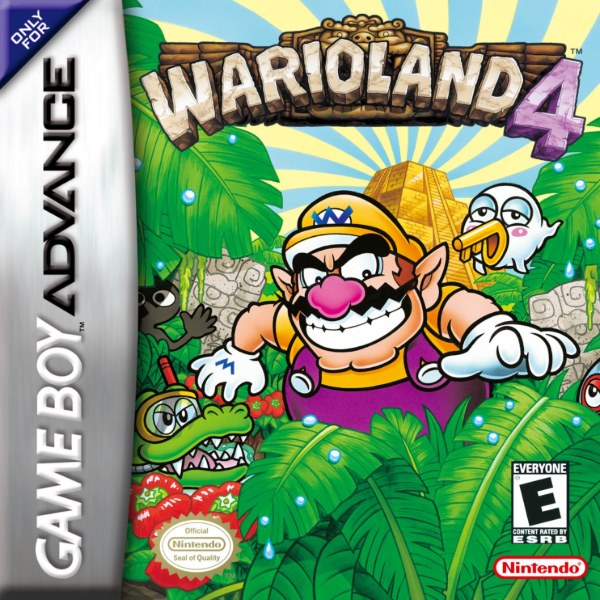
Wario Land 4

Super Mario Advance 2: Super Mario World
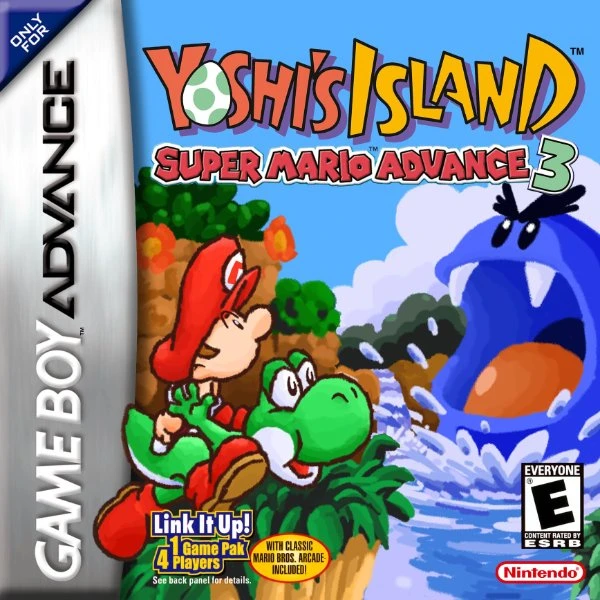
Yoshi's Island: Super Mario Advance 3

Game & Watch Gallery 4
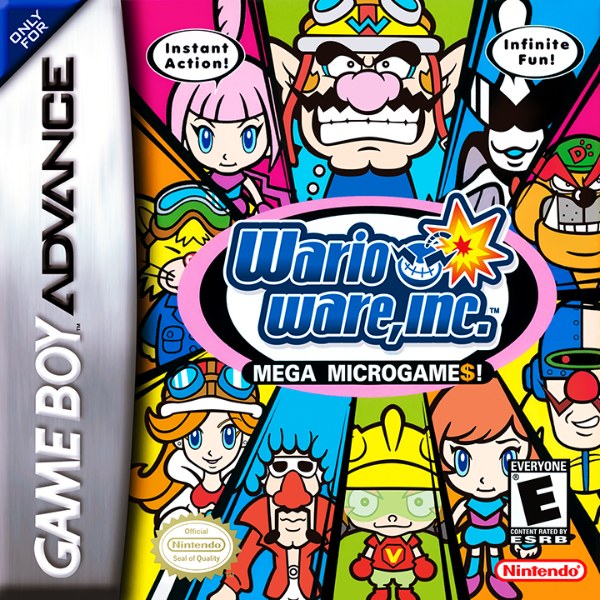
WarioWare, Inc.: Mega Microgame$!

Super Mario Advance 4: Super Mario Bros. 3
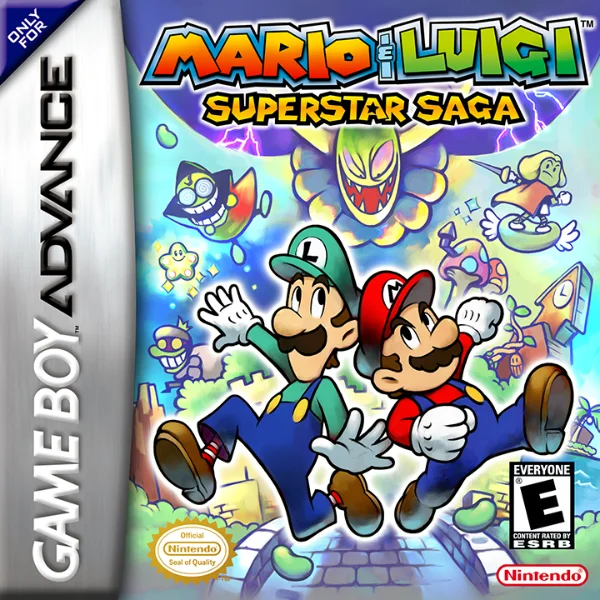
Mario & Luigi: Superstar Saga
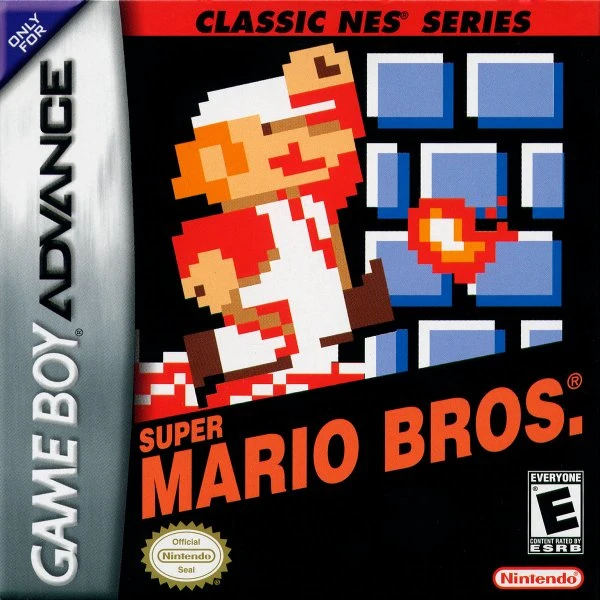
Classic NES Series: Super Mario Bros.

Mario Golf: Advance Tour
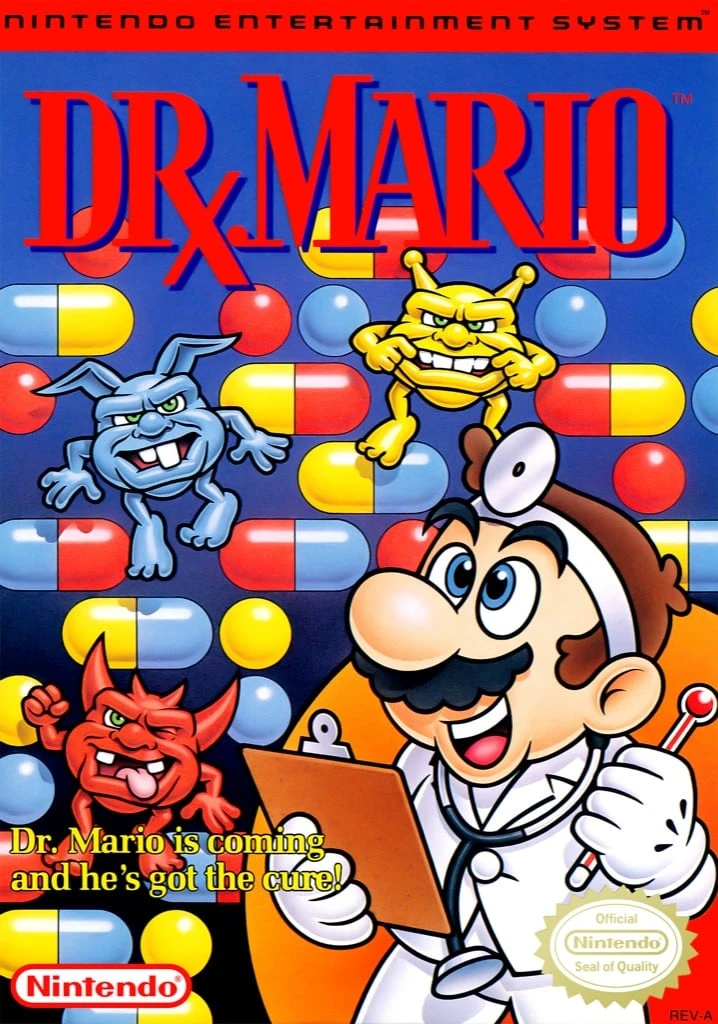
Classic NES Series: Dr. Mario

Mario vs. Donkey Kong

Mario Pinball Land
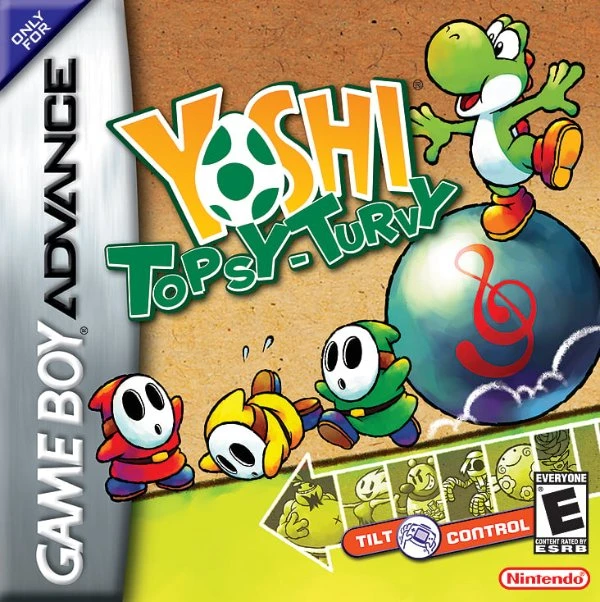
Yoshi Topsy-Turvy

Mario Party Advance
Dr. Mario & Puzzle League
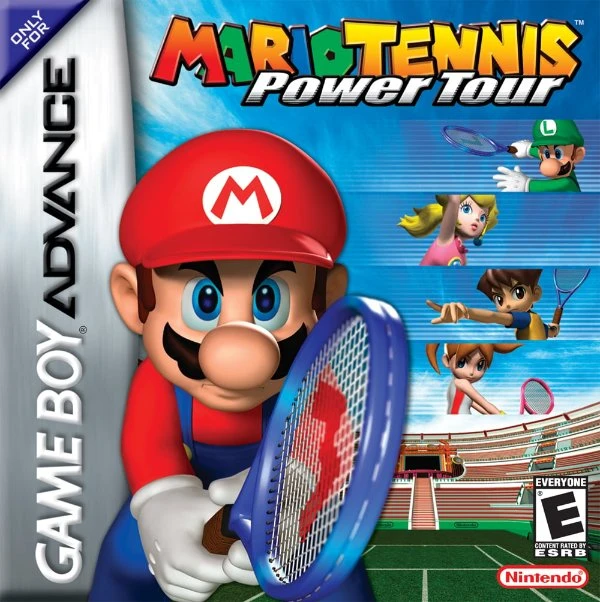
Mario Tennis: Power Tour
About the Game Boy Advance
| Manufacturer | Nintendo |
|---|---|
| Generation | Sixth generation (handheld) |
| Released | 21 March 2001 (Japan) · 11 June 2001 (North America) · 22 June 2001 (Europe) |
| Launch price | ¥9,800 · US$99.99 · £89.99 |
| Hardware | 32-bit ARM7TDMI at 16.78 MHz · 2.9-inch 240 × 160 TFT, 32,768 colours, no backlight |
| Units sold | 81.51 million (all models incl. SP and Micro, Nintendo IR) |
| Media | Game Boy Advance Game Pak (also plays Game Boy and Game Boy Color Paks) |
| Best-selling Mario game | Mario Kart: Super Circuit – 5.91 million |
| Predecessor | Game Boy Color |
| Successor | Nintendo DS |
| Discontinued | 2008 (Americas) · 2010 (worldwide) |
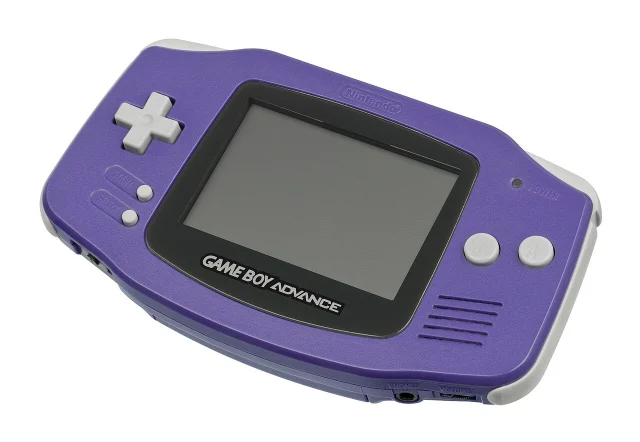
The Game Boy Advance was the first real reinvention of Nintendo’s handheld since 1989. French designer Gwénaël Nicolas and his Tokyo studio Curiosity Inc. turned the body on its side into a wide, landscape shape with shoulder buttons, and inside sits a 32-bit ARM7TDMI processor at about 16.78 MHz. An older Sharp SM83 core rides along purely to run Game Boy and Game Boy Color cartridges. The 2.9-inch reflective TFT screen shows 240 × 160 pixels from a palette of 32,768 colours, enough for Super NES-style graphics, although the lack of a backlight drew criticism from the start. Two AA batteries gave around 15 hours.
It launched in Japan on 21 March 2001 at ¥9,800, then in North America on 11 June at US$99.99, where 500,000 units in the first week made it the fastest-selling console in US history at that point. The UK followed on 22 June at £89.99, and a record 81,000 machines sold over the opening weekend. Super Mario Advance was on the shelves on launch day in all three regions.
There was little serious competition. Bandai’s WonderSwan was confined to Japan and Nokia’s N-Gage phone-console never caught on, so the GBA had the market largely to itself until its own successor arrived. Nintendo’s final tally for the family is 81.51 million units; the Nintendo DS, launched in November 2004 and able to play GBA cartridges, overtook it worldwide in late 2008, though in the US the older machine held on until late 2009. Hardware was discontinued in the Americas in 2008 and everywhere by the end of 2010.
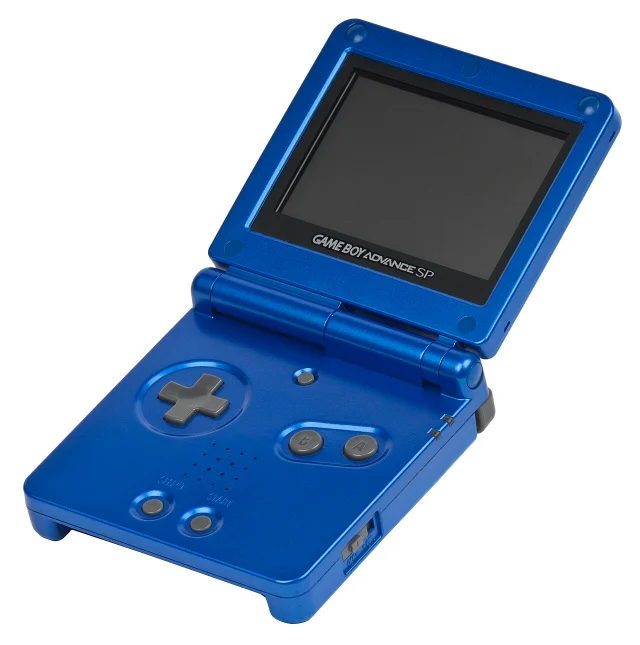
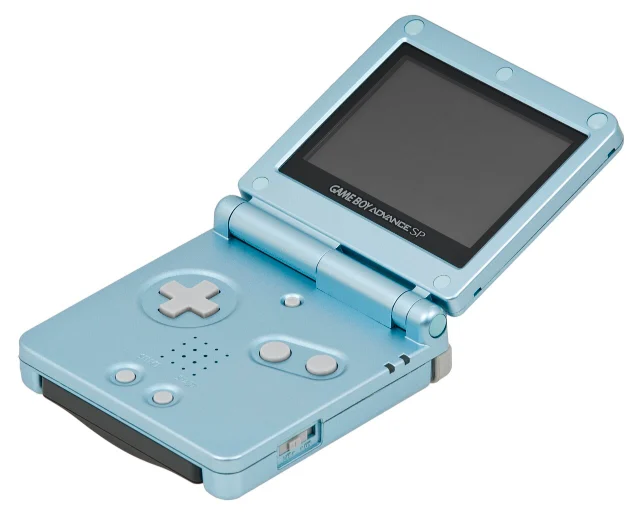
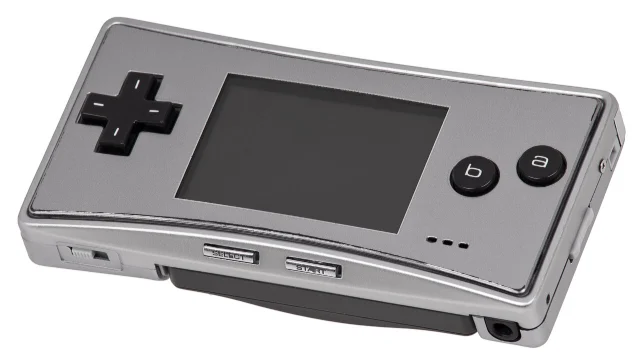
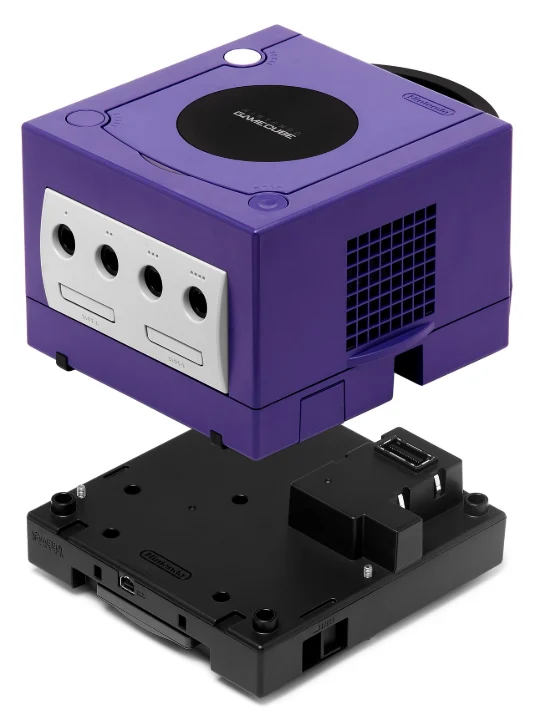
The revisions mattered as much as the original. The Game Boy Advance SP (Japan, 14 February 2003, ¥12,500; North America and Europe followed in March) folded into a clamshell, added a front-light and became the first Game Boy with a rechargeable lithium-ion battery, though it dropped the headphone socket. A brighter backlit model followed in 2005, and the SP accounts for about 43.57 million of the total. The tiny Game Boy Micro (September 2005) had a 2-inch backlit screen and swappable faceplates but played only GBA games. The Game Boy Player let GameCube owners use the cartridges on a television, and the e-Reader card scanner added extra content to several games.
Mario’s first job was remakes. Developed by Nintendo R&D2, the Super Mario Advance series rebuilt Super Mario Bros. 2, Super Mario World, Yoshi’s Island and Super Mario Bros. 3, each with a version of Mario Bros. included; the first sold about 5.57 million, Super Mario Advance 2 5.69 million, Super Mario Advance 3 2.83 million and Super Mario Advance 4, with its e-Reader levels, 5.43 million. Intelligent Systems’ Mario Kart: Super Circuit (2001) did even better at 5.91 million, and also brought back the courses from Super Mario Kart.
Original games followed. AlphaDream’s Mario & Luigi: Superstar Saga (2003) sent the brothers to the Beanbean Kingdom with timing-based battles and sharp writing, selling about 2.15 million and starting a series that continued with Partners in Time. Mario vs. Donkey Kong (2004) grew out of the 1994 Game Boy Donkey Kong. Camelot’s Mario Golf: Advance Tour and Mario Tennis: Power Tour carried on their Game Boy Color role-playing formula, and Mario Pinball Land, Mario Party Advance and Yoshi Topsy-Turvy tried new ideas, while Dr. Mario & Puzzle League (2005) paired two puzzle classics late in the system’s life. The Classic NES Series version of Super Mario Bros. alone sold about 2.27 million.
GBA cartridges also play in the Nintendo DS and DS Lite. Many of these games reached the Wii U Virtual Console from April 2014, and since February 2023 the Game Boy Advance library for Nintendo Switch Online + Expansion Pack has offered Super Mario Advance 4 (with every e-Reader level unlocked), Mario Kart: Super Circuit and Superstar Saga, later joined by the other Super Mario Advance titles, Mario vs. Donkey Kong and Dr. Mario & Puzzle League. Superstar Saga was remade for the 3DS in 2017 and Mario vs. Donkey Kong for Switch in 2024. For earlier handheld Mario, see our Game Boy Color hub.
More Mario on the Game Boy Advance
Other notable Mario-related releases on the Game Boy Advance that don’t have their own page here yet:
- Jun 2003Donkey Kong CountrySpin-offRare's GBA conversion of the Super NES hit
- Feb 2004Classic NES Series: Donkey KongRemakeNES port of Mario's 1981 arcade debut
- May 2004Famicom Mini: Mario Bros.RemakeJapan-only re-release of the Famicom original
- Aug 2004Famicom Mini: Super Mario Bros. 2RemakeJapan-only cartridge of The Lost Levels
- Oct 2004WarioWare: Twisted!Spin-offGyro-sensor microgames; never released in Europe
- Feb 2005DK: King of SwingSpin-offDonkey Kong climbing puzzler played with the shoulder buttons